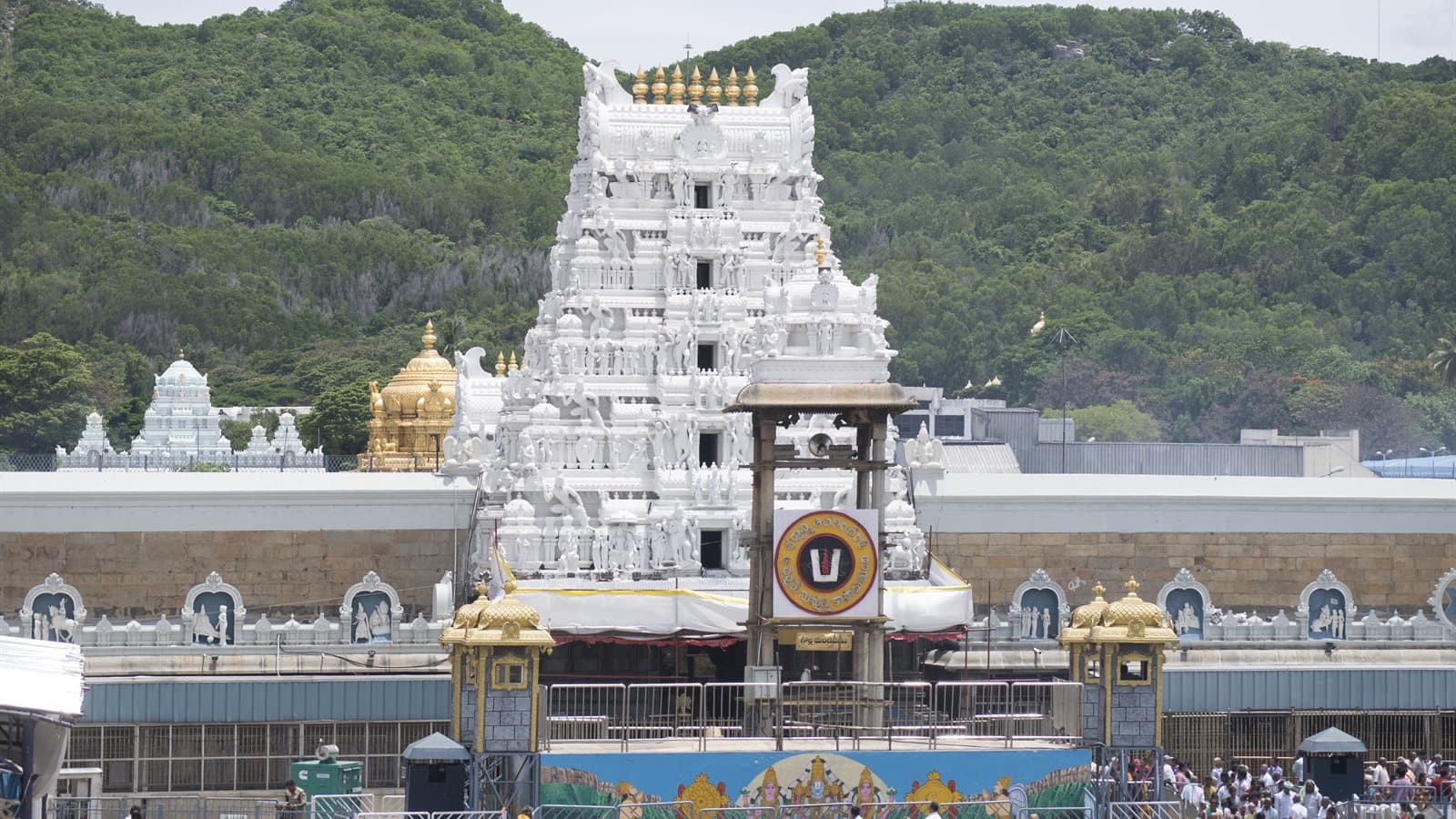
Rathasapthami (Tirumala)
Surya's birthday at Tirumala — Sri Malayappa Swami is taken in procession on seven different vahanas across one day (4 AM to midnight), the only day in the year this happens. Considered equivalent to attending the full nine-day Brahmotsavam.
Overview
Rathasapthami at Tirumala is the most spectacular single-day festival at the Sri Venkateswara Swamy Temple. Falling on the Shukla Paksha Saptami of the Tamil/Telugu month of Magha (early February), it commemorates the day Surya — the Sun God — began his northward journey (Uttarayana) on his seven-horse chariot. At Tirumala, the processional deity Sri Malayappa Swami is taken in procession on seven different vahanas across a single day, from 4 AM to midnight — a feat performed only on this one day each year, considered equivalent to attending the full nine-day Brahmotsavam compressed into 24 hours.
Significance
Rathasapthami marks Surya Jayanti — the birthday of Surya — and the symbolic awakening of the sun from his winter dormancy. The seven horses of Surya's chariot represent the seven days of the week, the seven colours of light, and the seven chakras of the body. For Vaishnavas, the day also commemorates Lord Vishnu's incarnation as the Sun's chariot — the seven horses are forms of Surya's own consorts. At Tirumala, the festival has been celebrated continuously for at least 500 years, and is one of the temple's most attended single-day events after Vaikunta Ekadasi.
The Story Behind the Festival
When King Yashasvi suffered from incurable leprosy, the sage Vasishtha advised him to observe the Ratha Saptami vrat — bathe at dawn while holding seven Ekka (Calotropis gigantea) leaves on his head, one each at the head, shoulders, knees, and feet, then perform Surya Arghya (offering of water to the sun). The king did so, and his disease was cured. From then on, the day has been observed across India as Arogya Saptami — the festival of health, where bathing in the early morning with the seven leaves is believed to wash away seven births' worth of sins and grant freedom from illness.
Rituals & Observances
- 4:00 AM — Surya Prabha Vahanam: the deity is taken in a chariot shaped like a radiant sun-disk, illuminated with golden lamps.
- 7:00 AM — Sesha Vahanam: procession on Adi Shesha, the cosmic serpent.
- 10:00 AM — Garuda Vahanam: the deity rides the celestial eagle Garuda — the most iconic of Vishnu's vahanas.
- 1:00 PM — Hanuman Vahanam: procession on Hanuman, the great devotee.
- 4:00 PM — Kalpavriksha Vahanam: the deity is seated under the wish-fulfilling tree.
- 7:00 PM — Sarvabhupala Vahanam: the deity is taken on a palanquin shaped to represent the rulership of all kings.
- 10:00 PM — Chandra Prabha Vahanam: the closing procession on a moon-shaped vahana.
- Devotees take a sacred bath at dawn, traditionally with seven Ekka leaves placed on the body, and recite the Aditya Hridayam (the hymn to Surya from the Ramayana).
- TTD distributes thousands of laddus and free anna prasadam through the day.
When & Where
For Devotees
Rathasapthami is the best day of the year to witness Lord Venkateswara's vahana processions if you cannot attend the full nine-day Brahmotsavam. The four Mada streets of Tirumala are packed from 4 AM through midnight — stake a viewing position along South or West Mada Street by 3 AM. The Garuda Vahanam (10 AM) draws the largest crowd. Sarva Darshan queues are extended through the day with multiple breaks for the vahanas to pass. If you observe the vratham at home: take a pre-dawn bath, place Ekka or rice leaves on the head/shoulders/knees, recite the Aditya Hridayam, and offer Surya Arghya at sunrise.