Overview
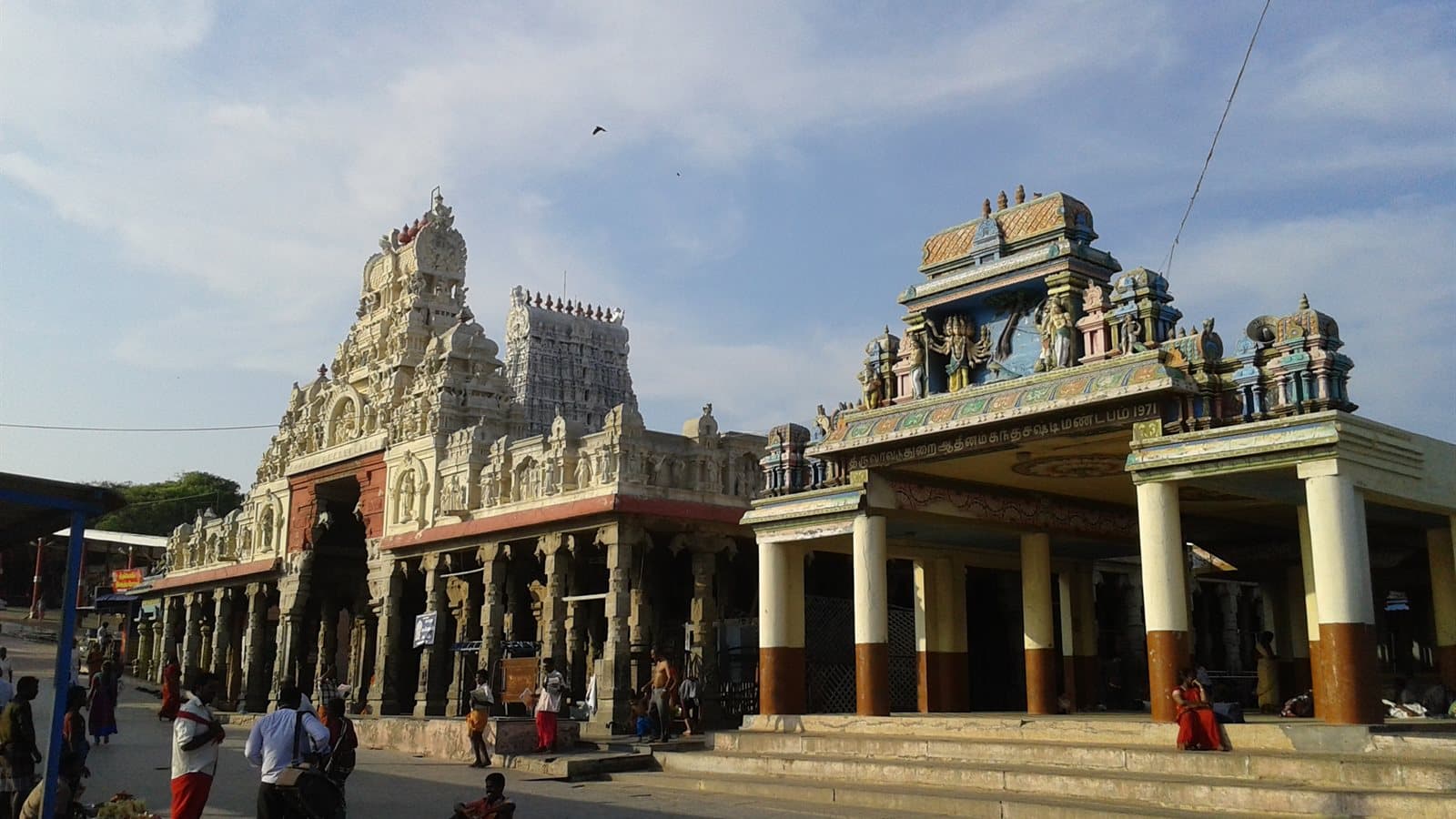
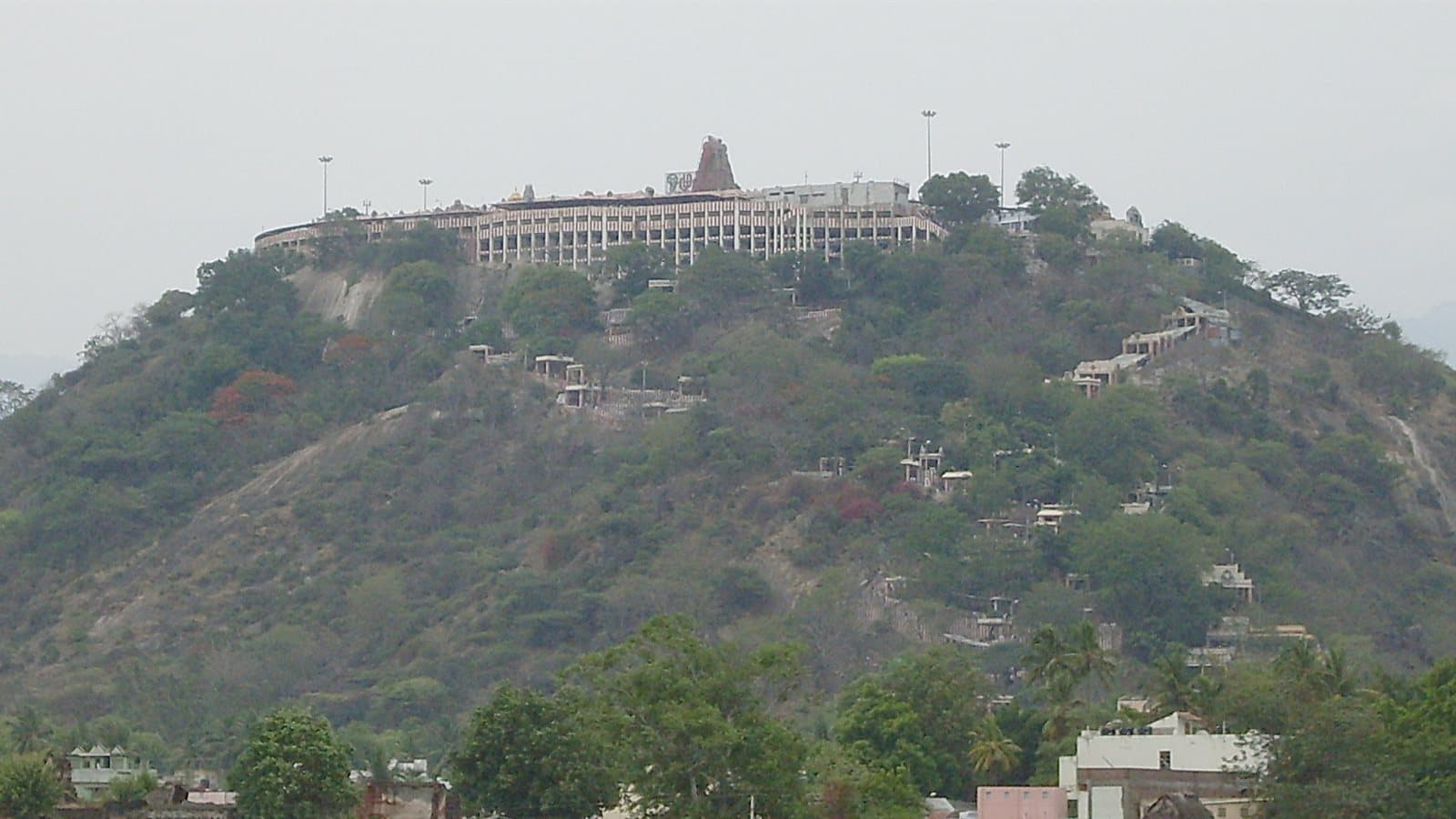
Skanda Sashti is a six-day Murugan festival commemorating the divine battle in which Lord Subrahmanya (Murugan) vanquished the demon Soorapadman. Observed primarily at Tiruchendur and the other Arupadai Veedu temples, it is the most important Murugan vratham of the year for Tamil Hindus worldwide.
Significance
The festival celebrates the triumph of good over evil — the victory of Lord Murugan over Soorapadman, Tarakasura, and Simhamukha, three demon brothers who terrorised the devas. Murugan, as commander of the celestial armies, was created from the sparks of Lord Shiva's third eye specifically for this battle. The festival is observed in the Tamil month of Aippasi (October–November) during the bright fortnight (Shukla Paksha), ending on the sixth lunar day (Sashti).
The Story Behind the Festival
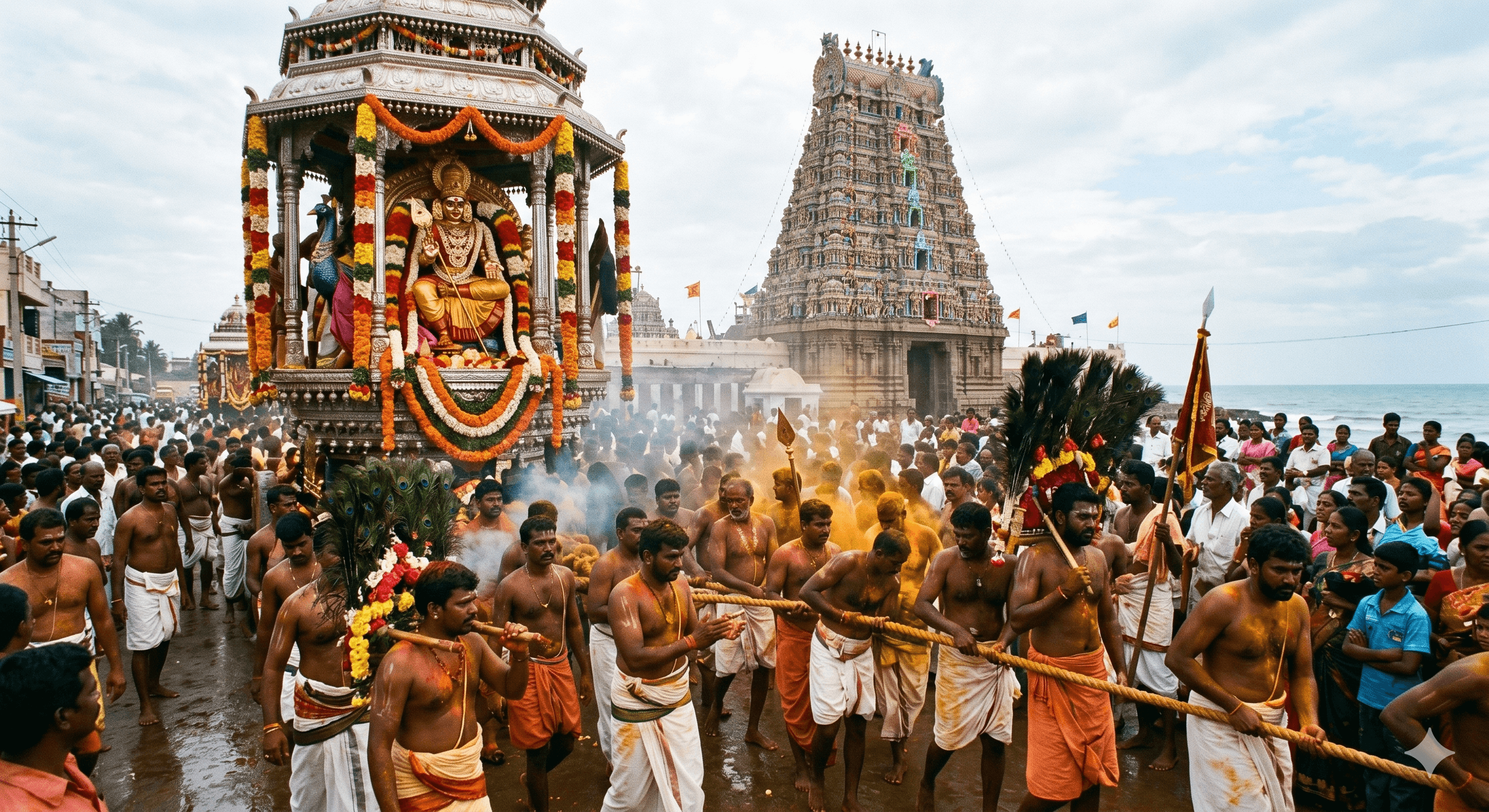
When Soorapadman and his brothers harassed the devas, they prayed to Lord Shiva for help. From the third eye of Shiva, six divine sparks emerged. They were carried by the river-goddesses to the lake of Saravana, where they merged into one form — the six-faced Lord Subrahmanya (Murugan). The young Murugan, riding his peacock and wielding the vel (divine lance) given by his mother Parvati, led the celestial army to Tiruchendur on the shores of the Bay of Bengal. Over six days, the battle raged. On the sixth day — Soora Samharam day — Murugan hurled the vel at Soorapadman, who took the form of a giant mango tree to hide. The vel split the tree in two: one half became the peacock that Murugan rides, the other became the rooster on his banner. The remaining demons surrendered and were turned into companions.
Rituals & Observances
- Devotees observe a six-day fast (Skanda Sashti Vratham) — eating only once a day, abstaining from meat, alcohol, and tamasic foods.
- On each of the six days, special abhishekams and archanas are performed at Murugan temples.
- On the sixth day (Soorasamharam), a dramatic ritual enactment of Murugan's battle and victory is staged at Tiruchendur, drawing hundreds of thousands.
- The day after Soorasamharam, the celestial wedding of Murugan and Devasena (daughter of Indra) is celebrated as Thirukalyanam.
- Devotees chant the Kanda Sashti Kavacham — a powerful protective hymn composed by Devaraya Swamigal.
- Yellow flowers, sandalwood paste, and milk-rice (paal sadham) are offered to the deity.
When & Where
For Devotees
Devotees traditionally observe the vratham at home for six days, visiting Murugan temples each evening. Those who cannot make it to Tiruchendur often watch the Soorasamharam ritual livestream. Lighting a ghee lamp, reciting the Kanda Sashti Kavacham, and offering yellow flowers (Murugan's favourite) are key observances. Many fast strictly, breaking it only on the seventh day after the Thirukalyanam darshan.