Vaikunta Ekadasi (Tirumala)
The most sacred Ekadasi of the year at Tirumala — the Vaikunta Dwaram (Heaven's Gate) is opened, and devotees passing through it are believed to attain moksha. Lakhs gather at Tirumala for this single-day darshan.
Overview
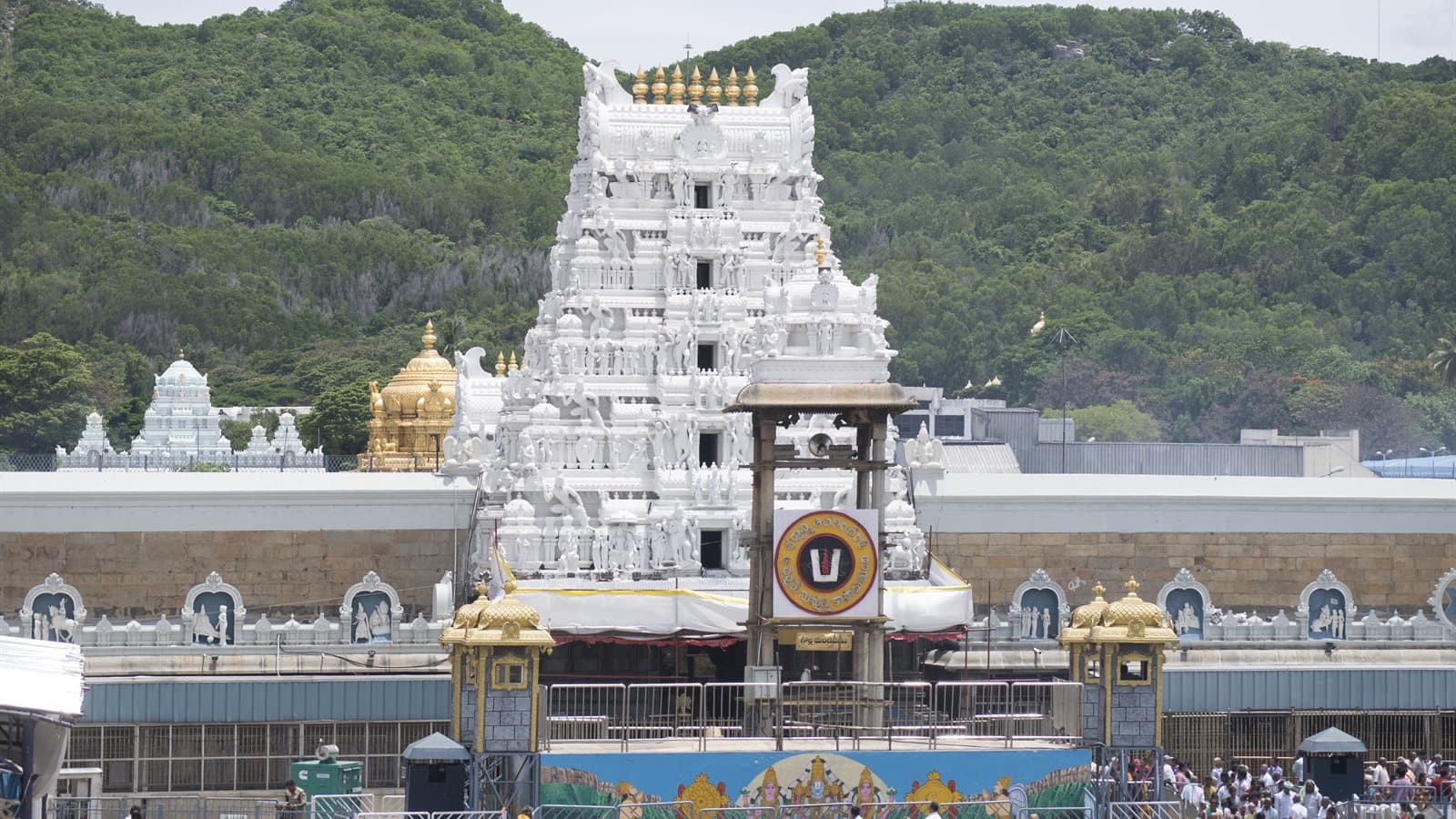
Vaikunta Ekadasi at Tirumala is the single most sacred day of the year at Lord Venkateswara's temple. It falls on the Shukla Paksha Ekadasi of the Tamil month of Margazhi (December–January), when the Vaikunta Dwaram — the 'Gate to Heaven' — is symbolically opened in the temple. Devotees who pass through this dwaram are believed to attain moksha, liberation from the cycle of birth and death. Tirumala receives between 200,000 and 400,000 pilgrims on this single day — the largest single-day footfall of the year.
Significance
Of the 24 Ekadasis observed each year, Vaikunta Ekadasi is considered the most sacred — its merit is said to equal that of all the others combined. The opening of the Vaikunta Dwaram at Tirumala is a once-a-year event: a special north-facing passage inside the temple, normally closed, is opened only on this day. Devotees passing through it in the prescribed sequence (after darshan of Lord Venkateswara) symbolically enter Vaikunta. Three Ekadasis are observed: the Vaikunta Ekadasi day itself, the previous day's Dasami, and the following day's Dwadasi — together known as the 'three sacred days' (Trayodasi Vratham).
The Story Behind the Festival
When the demon Muran tormented the devas, they prayed to Vishnu for protection. Vishnu fought Muran for a thousand years but the demon was relentless. Tired, Vishnu retreated to Badarikashrama and slept inside the Himavati cave. Muran followed to slay him in his sleep — but at that moment, a brilliant goddess emerged from Vishnu's body and incinerated the demon. Pleased, Vishnu named her Ekadasi (born on the eleventh tithi) and granted her the boon that any devotee who fasted in her name on the Shukla Paksha Ekadasi of Margazhi would attain Vaikunta. This is the Vaikunta Ekadasi vrat, observed across all Vishnu temples but most spectacularly at Tirumala.
Rituals & Observances
- Devotees observe the Ekadasi vratham — a fast from sunrise on Dasami (the day before) to sunrise on Dwadasi (the day after). Some observe a complete waterless fast (nirjala); others take only fruit and milk.
- The fast is broken on Dwadasi morning with parana — the prescribed meal taken at a specific muhurta after Surya namaskaram.
- Sleeping is traditionally avoided during the Ekadasi night — devotees stay awake reciting Vishnu Sahasranamam, singing Bhajans, and listening to the Tiruppavai of Andal (December is the Tiruppavai recitation month).
- At Tirumala, the Vaikunta Dwaram is ceremoniously opened by the Pradhana Archaka before dawn. Pilgrims pass through it after darshan of the main deity — entering from the north side and exiting on the south.
- TTD opens additional darshan queues from 2 AM and runs them continuously for ~48 hours.
- Special Pushpa Alankaram (flower decoration) of Lord Venkateswara is performed; the deity is dressed in white silk vastrams.
- The Vaikunta Dwaram remains open for 10 days (the period of 'Bhagavadgita Adhyayanam') for those unable to come on Ekadasi day itself.
When & Where
For Devotees
Tirumala on Vaikunta Ekadasi day is overwhelming — queues can exceed 24 hours; the Vaikuntham complex's Q-I/II/III are filled to capacity, with overflow into temporary holding areas. If you intend to attend on the actual day, arrive at Tirumala 2 days in advance and stay at TTD cottages. A calmer option: visit any of the 10 days after Ekadasi while the Dwaram is still open. Special Darshan and Arjita Seva quotas are usually suspended on Ekadasi day; only Sarva Darshan and Sudarshan token queues operate. Fast and follow the vratham at home if you cannot travel.